The Australian automotive industry underwent significant transformation in 2025, with experts describing it as a year of “far-reaching changes” both locally and globally.
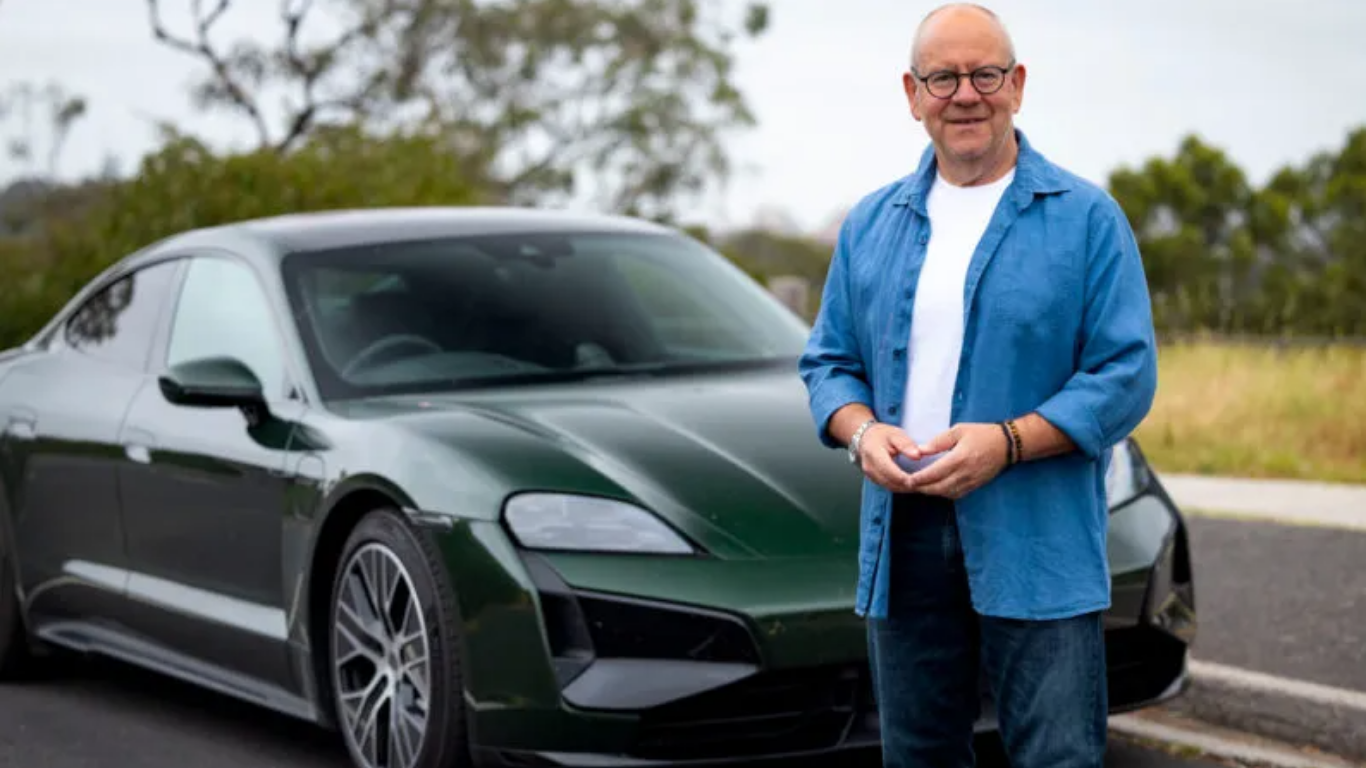
These shifts were a key focus on the latest Famous Podcast, where Glenn Ridge caught up with motoring commentator Mike Sinclair to chat all things shaping the local automotive landscape—from the influx of new brands and new vehicles to what’s on the horizon for Australian drivers.
More than 1.2 million new vehicles were sold across Australia, highlighting strong consumer demand. Utes continued to dominate buyer preferences, taking out three of the top four spots, alongside a compact SUV. At the same time, electric vehicles (EVs) surged in popularity, driven in part by the rapid expansion of Chinese automotive brands.
Motoring commentator Mike Sinclair says the biggest shift in 2025 wasn’t just electrification—it was the sheer number of new players entering the market.
“The biggest change is the arrival of a whole bunch of new brands, and China’s adoption of electrification quicker than some of the legacy brands has changed the landscape.”
While not all newcomers have gained strong sales traction, their presence has been impossible to ignore.
“Some of these new brands haven’t got much traction, but they have created a lot of noise.”
Are Legacy Brands Falling Behind?
The rise of fast-moving Chinese manufacturers has raised questions about whether traditional automakers are struggling to keep pace—a topic also explored in depth on the podcast.
“That’s probably a bit unkind, but many have more embedded development cycles and processes that mean they cannot react the same as a start-up or brand with much less to consider,” Sinclair explains.
However, some established brands are adapting. BMW, for example, is reportedly learning from newer competitors and accelerating its innovation cycles—potentially marking a turning point for European manufacturers.
EV Innovation and Changing Buyer Behaviour
One standout example of innovation discussed is the BYD Shark, a hybrid ute that’s attracting a new type of buyer.
“It’s a serious hybrid—an electric vehicle with a range extender—and the people buying those vehicles have never bought a ute before.”
This shift suggests electrification is not only changing technology but also reshaping traditional customer segments.
What Is the NVES and How Will It Impact Buyers?
Government policy is also playing a major role in reshaping the market. The New Vehicle Efficiency Standard (NVES) is designed to reduce emissions—but it may also influence pricing and brand competitiveness.
“Essentially it’s a tax based on carbon dioxide… we have a situation now where new brands coming into the country that are largely electric or electrified are already at the 2028 or 2029 targets, which gives them a head start on legacy brands.”
This regulatory advantage could further accelerate the rise of EV-focused manufacturers in Australia.
Are Chinese Cars Safe?
Despite lingering concerns among some buyers, Sinclair says safety ratings tell a different story.
“They don’t seem to be having issues passing five stars with ANCAP. For most of the Chinese brands, ANCAP is not a limiting factor in any way, shape or form.”
The Road Ahead: Consumer Preferences Still Evolving
Even as EV adoption grows, consumer preferences remain complex. Porsche’s experience with the electric Macan highlights the challenges of transitioning to fully electric lineups.
“Porsche launched the electric Macan but Australians didn’t like it—that really has hurt their volumes.”
As a result, the brand is expected to pivot.
“Porsche will probably launch in 2027 a SUV which will likely be a choice of electric or petrol.”
With increasing competition, evolving regulations, and rapid technological change, Australia’s automotive market is entering a new era.
As highlighted in Glenn Ridge’s conversation with Mike Sinclair on the Famous Podcast, the balance between legacy manufacturers and emerging brands—particularly from China—will define the road ahead.
Click on the link below to listen on your favourite platform.